How to start an employee advocacy program: the short answer
An employee advocacy program is a planned way for employees to share company content on their own social profiles, in their own words. To start one:
- Set one goal for the first 90 days.
- Get a leader to sponsor the program.
- Invite a small group of volunteers first.
- Choose a tool that lets people share in one click from Slack, Microsoft Teams, or email.
- Send ready-to-share content every week.
- Recognize the people who take part.
- Review reach, clicks, and participation every month.
It is worth the effort: employees' combined networks are typically 10x larger than the company page following, and employee content generates 3x more trust than the same message as a paid brand ad.
Employee advocacy is one of the most effective ways to amplify your brand’s reach and credibility in today’s digital landscape. In an era where people trust individuals more than corporations, empowering your employees to share and promote your brand can lead to significant business benefits.
But how do you start an employee advocacy program, and more importantly, how do you avoid the common pitfalls that explain why employee advocacy programs fail?
In this guide, we will walk you through the process of launching and sustaining an employee advocacy program that drives brand awareness, employee engagement, and business growth.

What is an Employee Advocacy Program?
An employee advocacy program is a structured initiative that encourages employees to promote their company by sharing brand-related content on social media and other networks. Unlike influencer marketing, which relies on external personalities, employee advocacy leverages internal talent to increase brand visibility authentically.
By participating in advocacy programs, employees become thought leaders and industry voices, fostering trust and engagement with potential customers, partners, and job candidates.
Why Your Business Needs an Employee Advocacy Program
1. Builds Brand Awareness & Trust
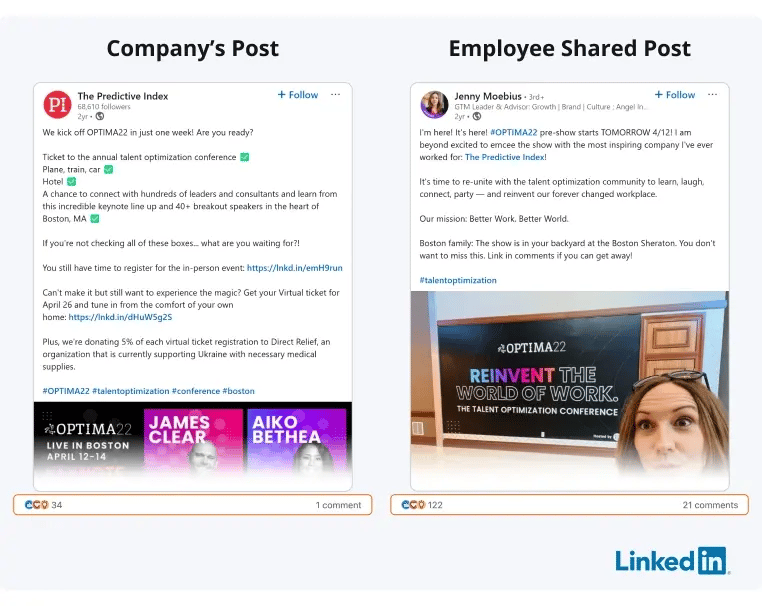
According to a Forbes article, employee-shared content receives 8x more engagement than content shared by a brand’s official channels. Audiences trust individuals more than corporate messages, making advocacy a key driver of organic visibility.

2. Expands Your Social Media Reach
Employees have significantly larger networks than corporate brand accounts, with research showing that employee-shared content generates 561% more reach than the same content shared through official brand channels.
3. Improves Employee Engagement & Retention
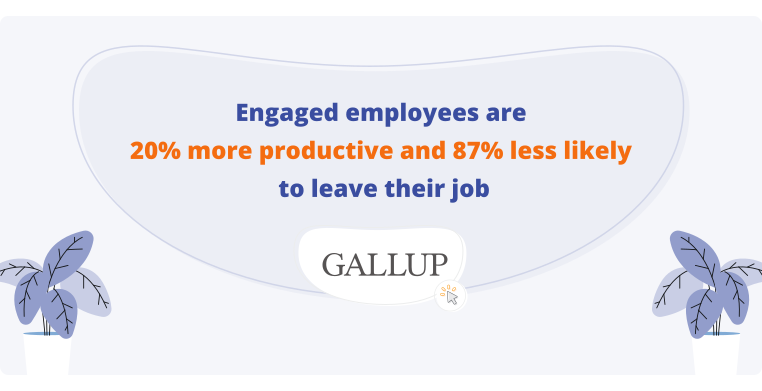
Employees involved in advocacy programs feel more connected to their company’s mission. Research suggests that engaged employees are 87% less likely to leave their organization.
4. Generates High-Quality Leads & Sales
According to a Hinge Marketing study, brands with active employee advocacy programs see an average 26% increase in revenue growth compared to those without advocacy programs.
5. Strengthens Employer Branding
Candidates are 3x more likely to trust employee-shared content over corporate hiring messages. This makes advocacy an essential part of recruitment marketing.
How to Start an Employee Advocacy Program
Starting an employee advocacy program requires strategic planning and a structured approach. By following a series of well-defined steps, organizations can empower their workforce to share brand-related content authentically, increasing visibility and engagement. Below is a step-by-step guide to launching a successful employee advocacy initiative.
Step 1: Define Clear Goals and Objectives
Before launching an employee advocacy program, determine what you aim to achieve. Common goals include:
-
Increasing social media engagement and reach.
-
Enhancing employer branding for talent acquisition.
-
Driving traffic to company content and website.
-
Generating more inbound leads and conversions.
Ensure that goals are SMART (Specific, Measurable, Achievable, Relevant, and Time-bound).
Step 2: Secure Leadership Buy-In
Getting executives and managers on board is crucial for the success of your program. Here’s how to gain leadership support:
-
Show ROI: Present case studies of successful advocacy programs.
-
Align with Business Goals: Demonstrate how advocacy aligns with marketing, sales, and HR initiatives.
-
Involve Leadership: Encourage executives to participate as early adopters.
Step 3: Identify & Train Employee Advocates
Selecting the right participants is key. Look for employees who:
-
Are active on social media.
-
Have a strong professional network.
-
Show enthusiasm for the company’s mission.
Train employees on:
-
Best practices for social media engagement.
-
Guidelines on brand messaging and compliance.
-
Creating authentic, non-promotional content.

Step 4: Choose the Right Employee Advocacy Tools
Choosing the right employee advocacy tool is essential for seamless program execution. When selecting a tool, consider the following key features:
-
User-Friendly Interface: Ensures easy adoption by employees.
-
Detailed Analytics & Reporting: Tracks performance, engagement, and reach.
-
Content Scheduling & Automation: Streamlines content distribution.
-
Gamification & Incentives: Motivates employees to participate actively.
-
Multi-Platform Integration: Supports sharing across different social media channels.
-
Real-Time Engagement Tracking: Measures impact and provides actionable insights.
Look for tools that align with your company’s size, industry, and advocacy goals to ensure maximum impact.
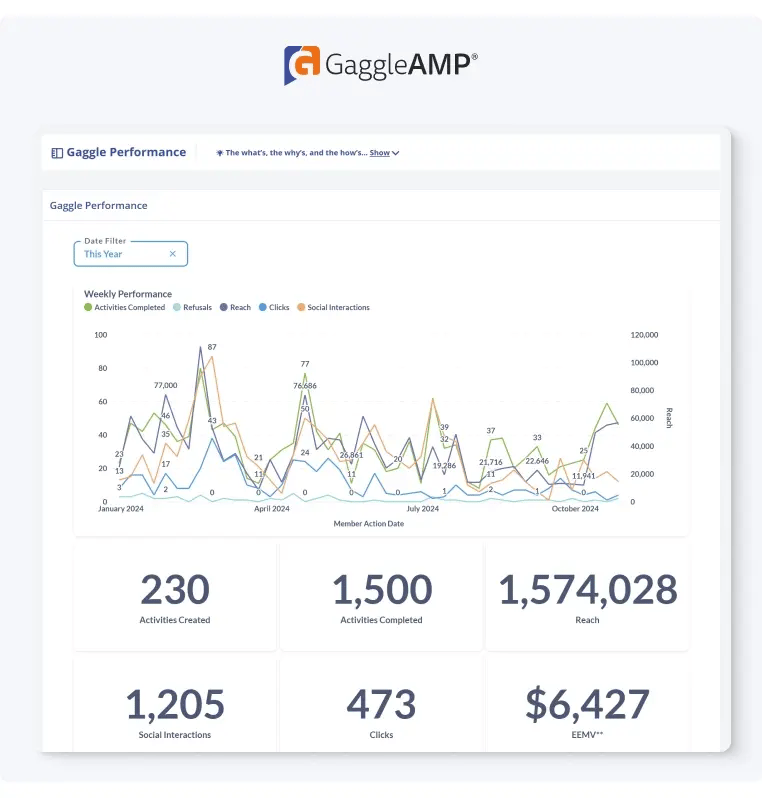
GaggleAMP simplifies employee advocacy and helps companies increase brand reach, boost employee engagement, and streamline content sharing—all with minimal effort. Sign up for a demo today to see how GaggleAMP can elevate your advocacy efforts.
Step 5: Develop & Distribute Shareable Content
Encourage employees to share a variety of content types:
-
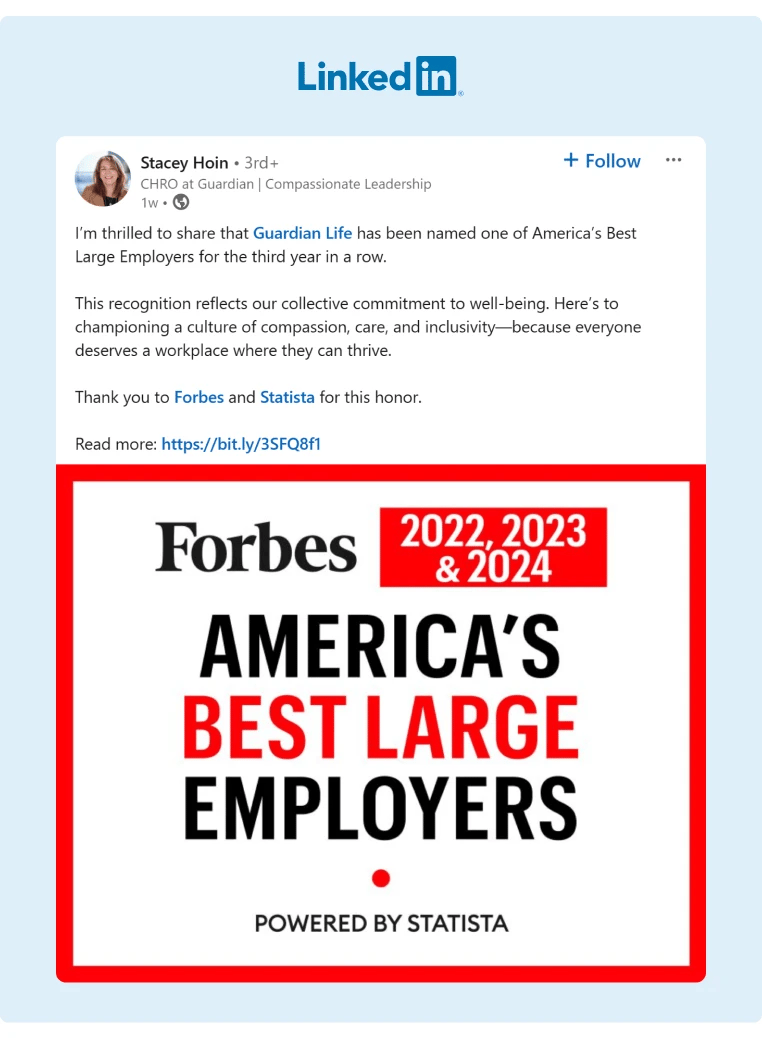
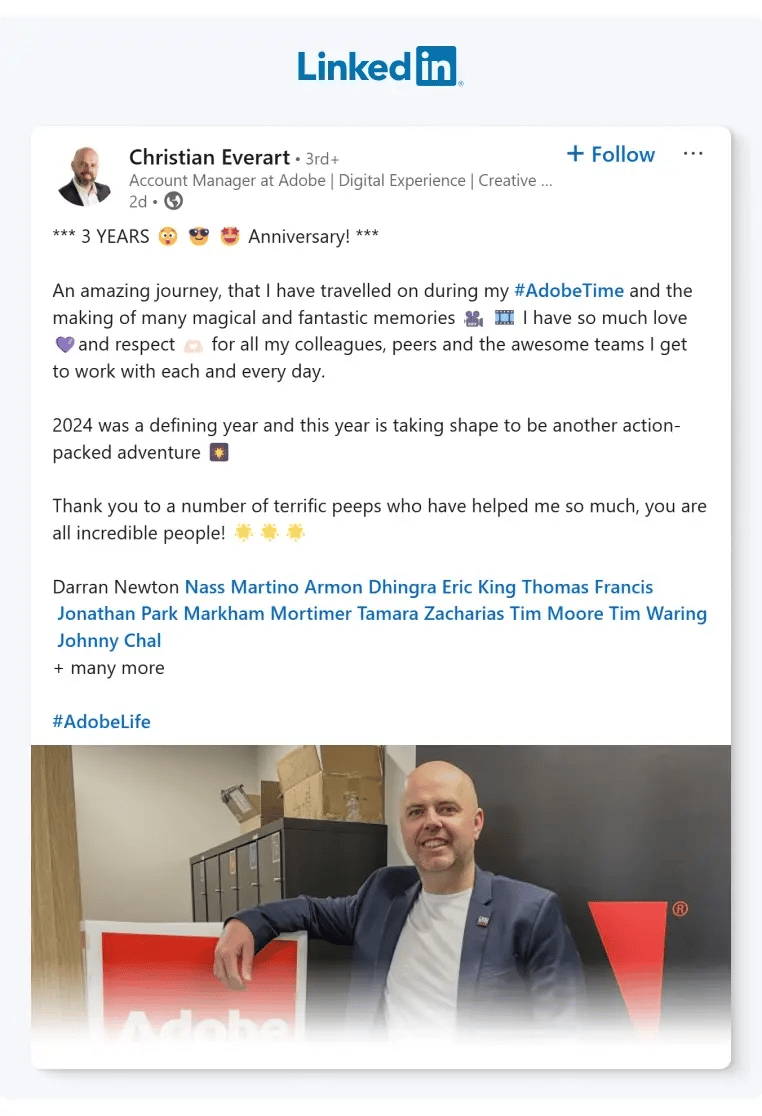
Company news & achievements
-
Thought leadership articles & blogs
-
Industry insights & trends
-
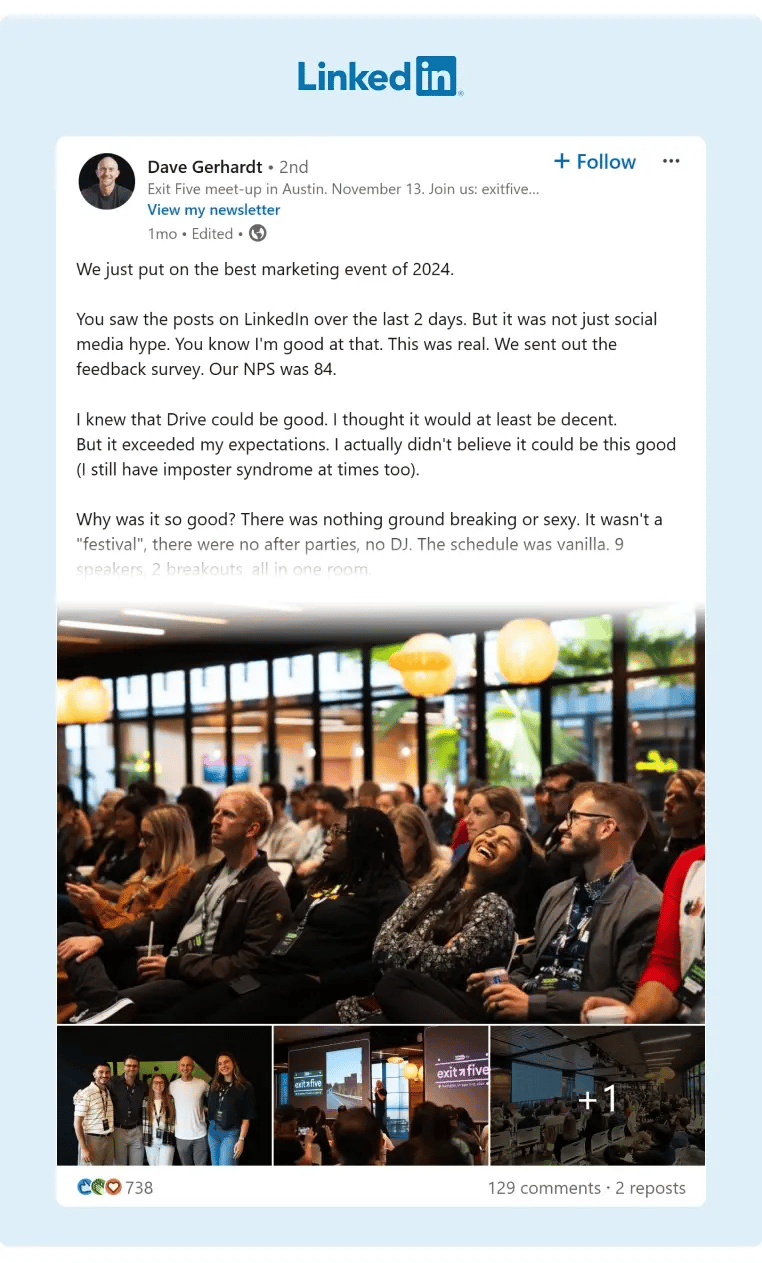
Personal success stories within the company
-
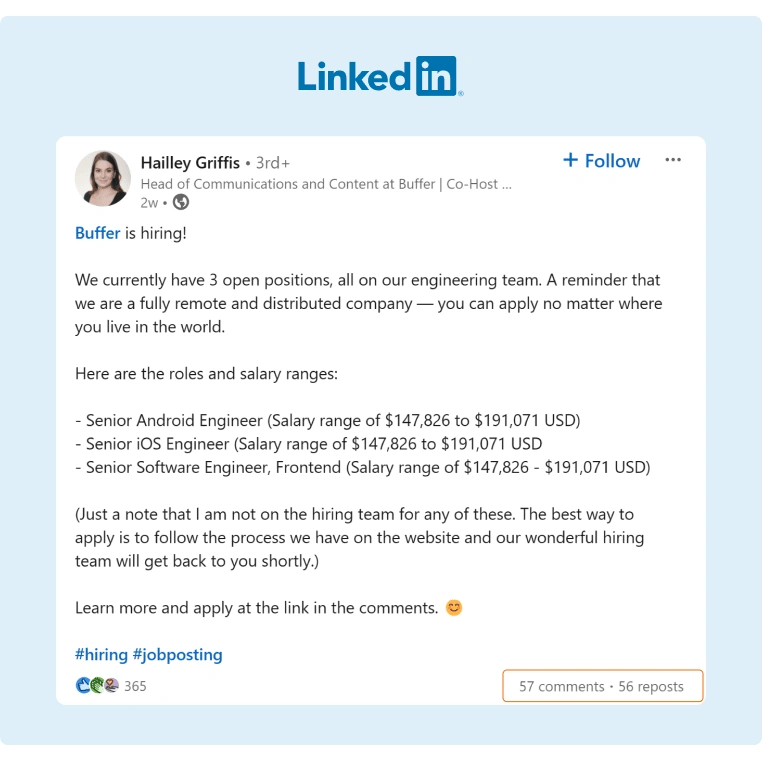
Job postings & recruitment messages
Step 6: Incentivize & Recognize Participation
Keeping employees engaged requires motivation. Here are some proven strategies:
-
Leaderboards & gamification: Reward top performers with badges or points.
-
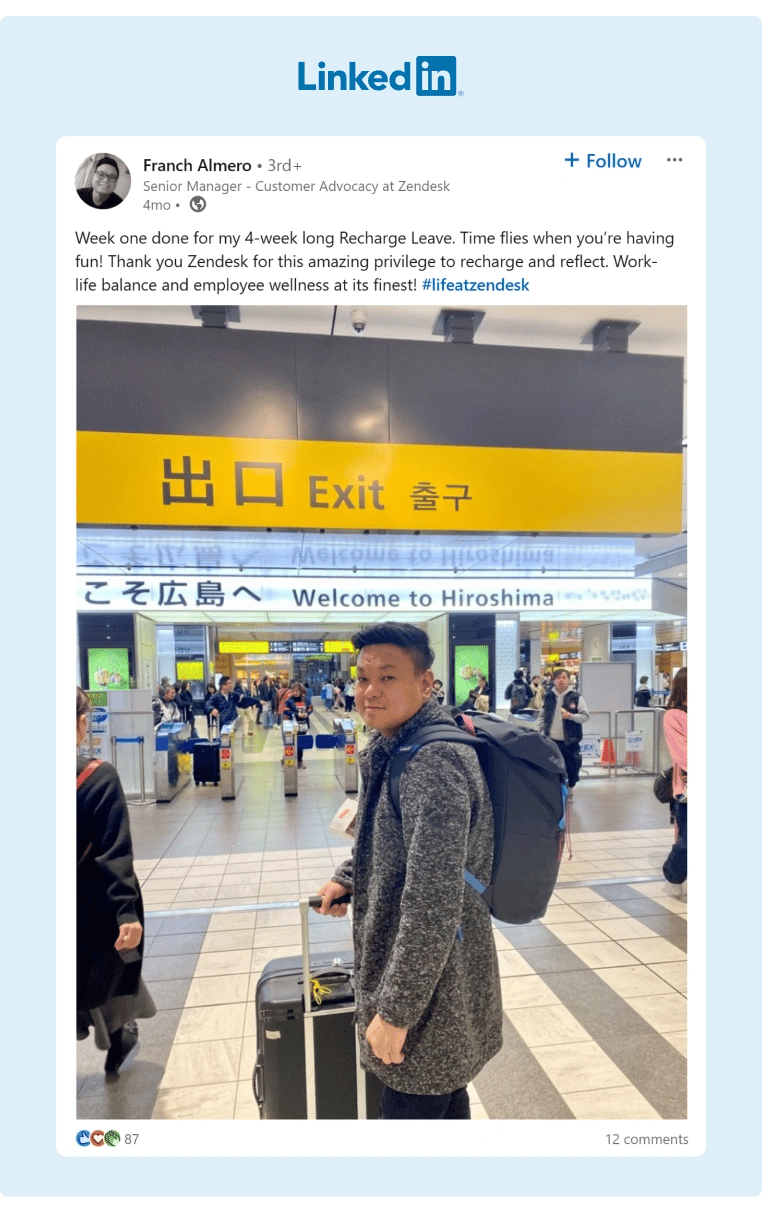
Recognition: Highlight active participants in internal communications.
-
Incentives: Offer perks such as gift cards, extra PTO, or career growth opportunities.
Step 7: Measure Success & Optimize
Tracking performance helps refine and improve your program over time. Key metrics to monitor include:
-
Engagement rates (likes, shares, comments).
-
Reach & impressions of employee-shared content.
-
Lead generation & conversion rates.
-
Employee participation rates.
Use analytics tools provided by your advocacy platform to assess what’s working and make data-driven improvements.

Best Practices for Sustaining Your Employee Advocacy Program
-
Encourage authenticity: Employees should use their own voice rather than copy-pasting corporate messages.
- Keep it voluntary: Employees share on their personal profiles, so do not make posting required. Make it easy, let people choose what fits their network, and accept that some people will share every week while others mainly like and comment. All of them help.
-
Provide ongoing training: Regularly educate employees on new content strategies and social media trends.
-
Keep content fresh: Regularly update the advocacy content library with new and relevant materials.
-
Promote a sharing culture: Encourage team discussions and feedback to improve engagement.
Real-World Examples of Successful Employee Advocacy Programs
1. Maximus
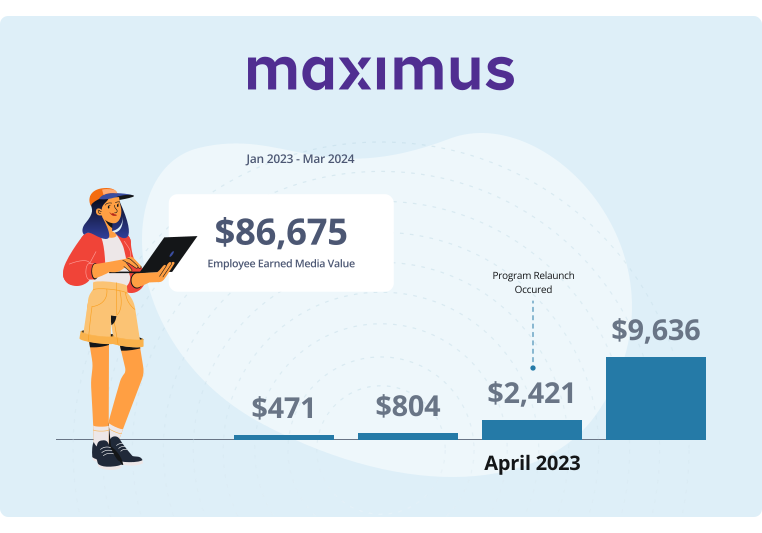
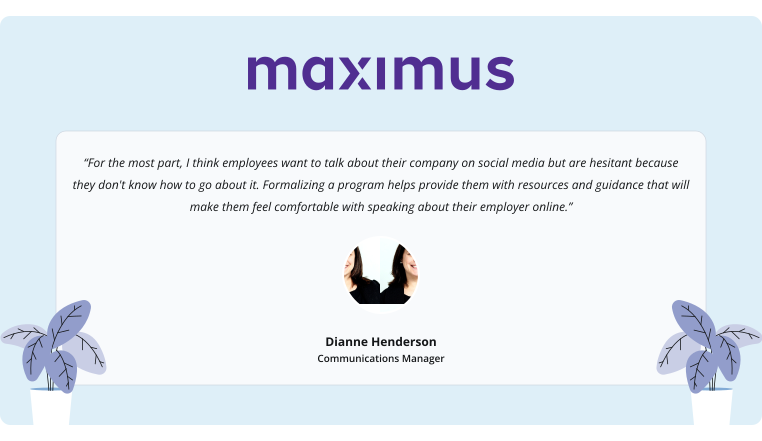
Maximus leveraged GaggleAMP to integrate employee advocacy into its company culture, strategically introducing the program to new hires on their 75th day to ensure confident participation. With strong executive backing, including a relaunch by the CHRO, the program gained traction across teams. As a result, Maximus saw a 78% increase in social media engagement, a 42% boost in brand reach, and a 35% rise in employee participation, making advocacy a key driver of their brand awareness strategy.
2. Ricoh
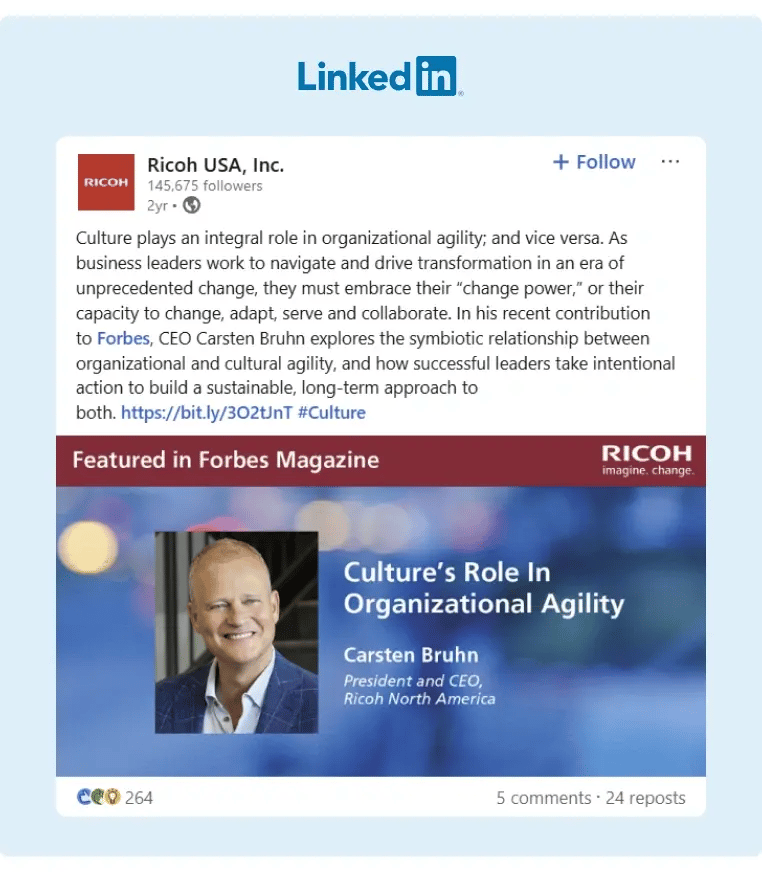
Ricoh successfully implemented an employee advocacy program through GaggleAMP, empowering its workforce to share company news and industry insights. Within six months, the program increased social media engagement by 67%, boosted brand reach by 40%, and improved employee participation rates by 30%. By leveraging structured advocacy initiatives, Ricoh enhanced brand credibility, increased social media reach, and strengthened employee engagement, resulting in a more connected and influential workforce.
Employee advocacy program FAQ
Short answers to the questions people ask most when they start a program.
Launch Your Employee Advocacy Program Today
Employee advocacy is no longer an option; it’s a necessity for companies looking to expand their brand presence, attract top talent, and drive business growth.
By following the steps outlined in this guide, your organization can build a thriving advocacy program that benefits both the business and its employees. Start small, scale strategically, and watch as employee voices amplify your brand to new heights.
Ready to get started? Consider using a dedicated employee advocacy tool like GaggleAMP to streamline the process and maximize results.